Under-Vine Cover Cropping: A Regenerative Viticulture Practice in Action
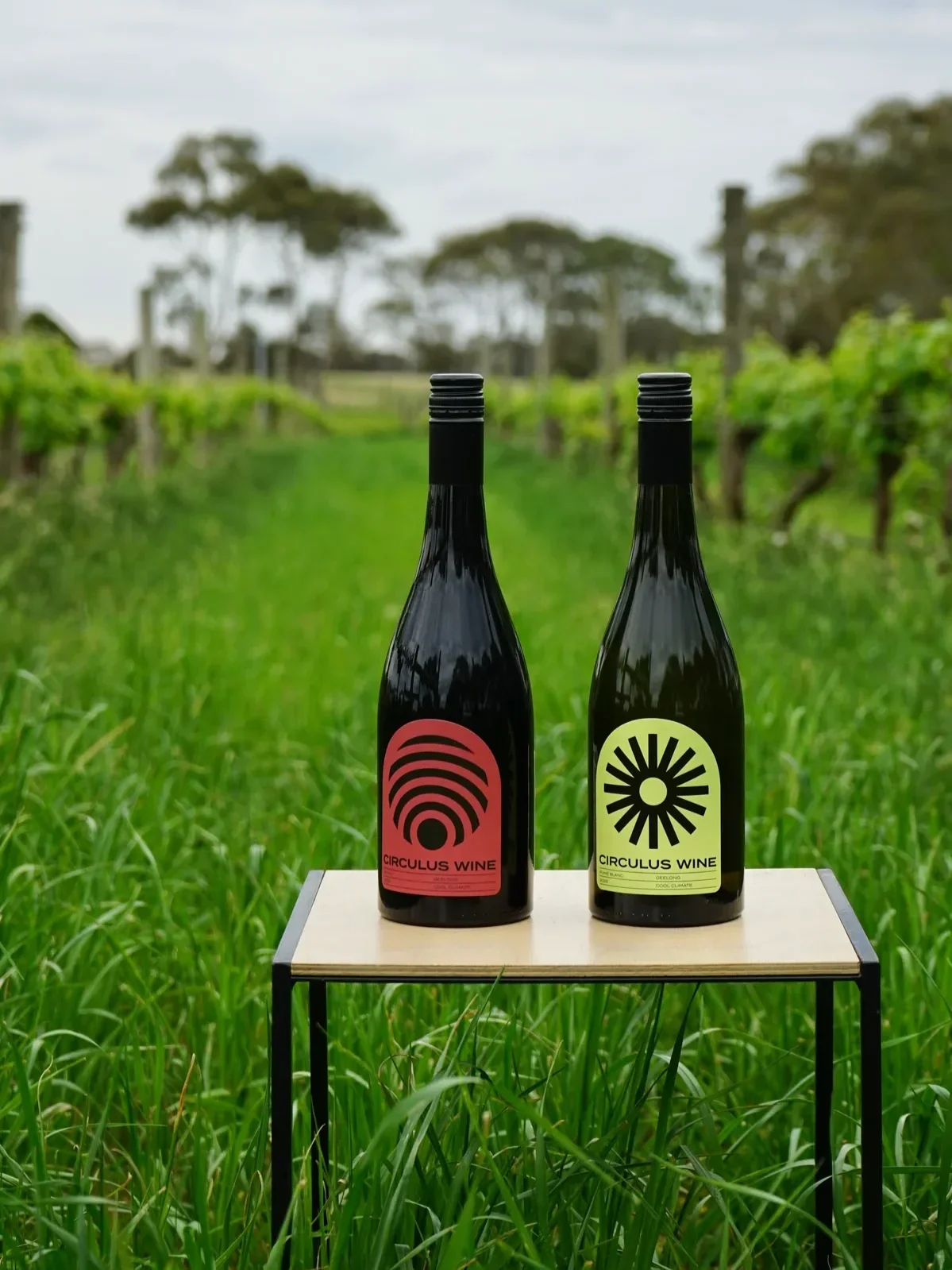
At Circulus Wine, we've implemented under-vine cover cropping as part of our commitment to regenerative viticulture - a comprehensive approach to vineyard management that balances wine quality with long-term environmental stewardship and soil health.
The Practice
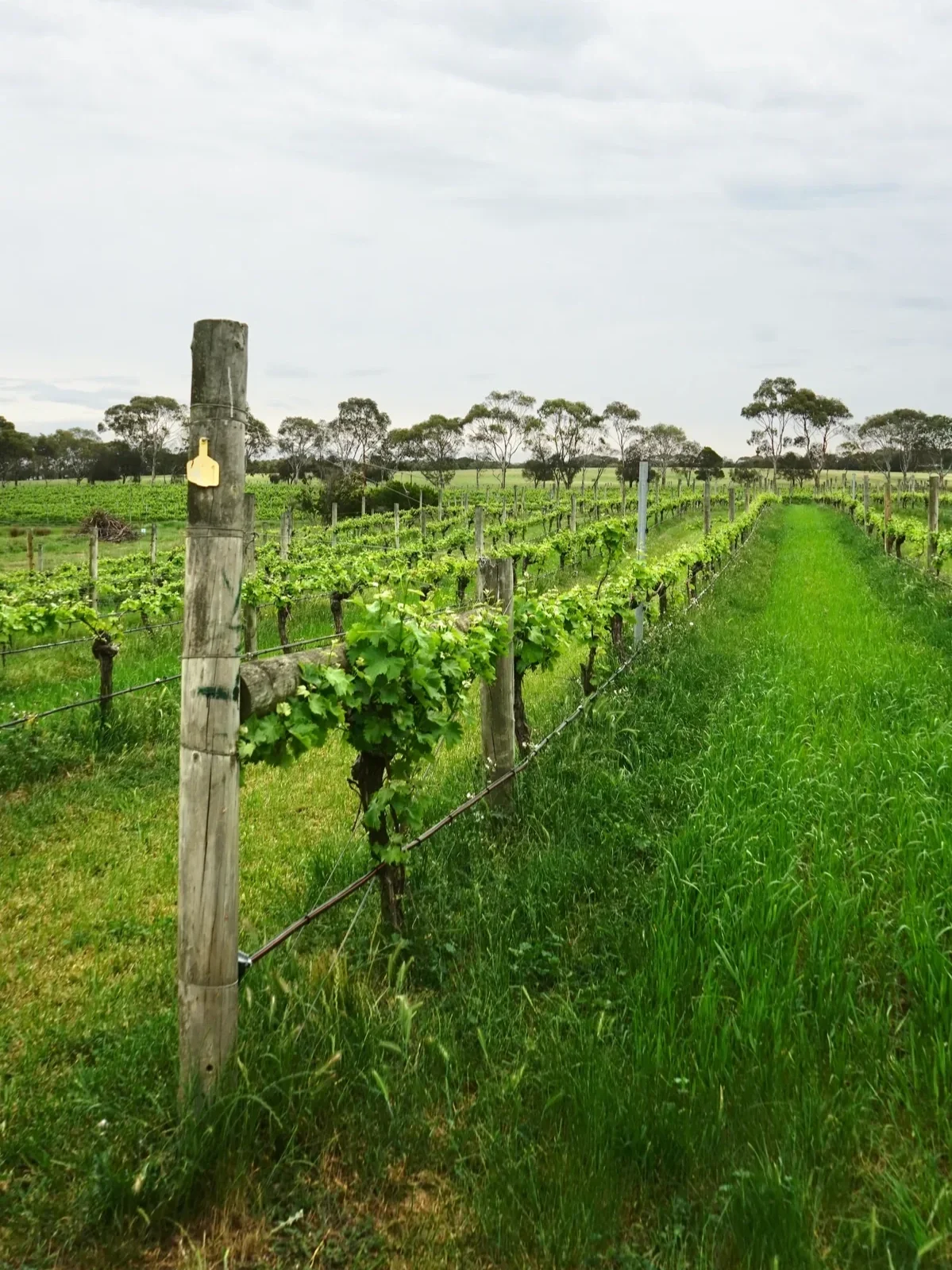
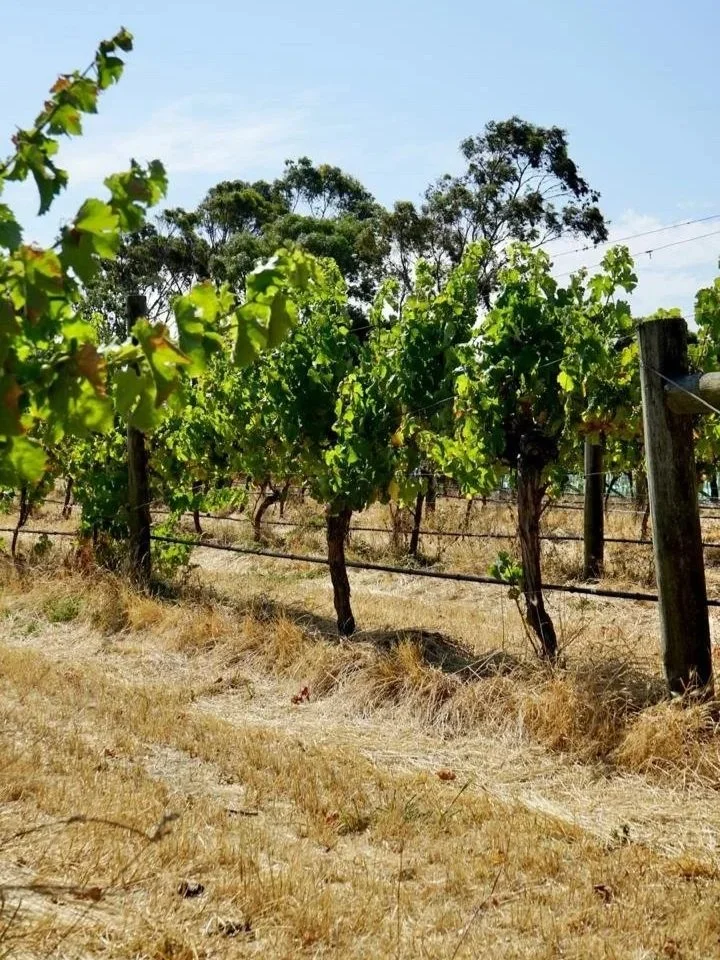
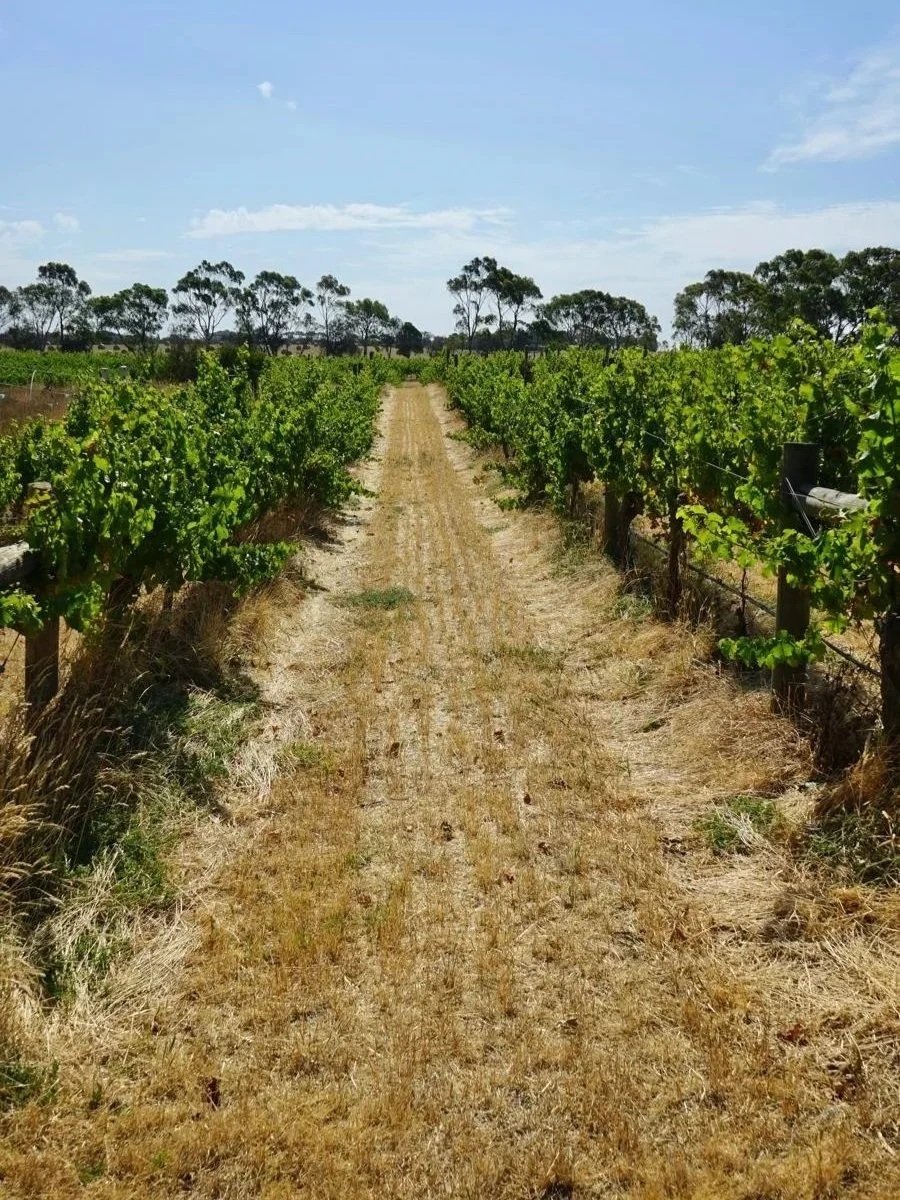
This season, we seeded a carefully selected mix of perennial rye, clover, medic, and red fescue not only in the mid-rows but also directly under the vine canopy in the under-vine zone. The photos show the visible results: lush green growth during spring and early summer, now transitioning to dormancy as we enter the Australian summer months.
This species combination was chosen for complementary benefits. The perennial rye provides competitive vigour modulation and achieves natural summer dormancy. The clover and medic are legumes that fix atmospheric nitrogen, building fertility organically without synthetic inputs. The red fescue provides dense ground cover that keeps the soil protected, cool, and moist, reducing water stress on the vines and moderating temperature fluctuations in the root zone.
Together, they create a living mat that works year-round to improve soil condition and vineyard resilience.
How It Works: Vigour Moderation
When actively growing in spring, the cover crop establishes a competitive relationship with the grapevines, naturally competing for soil water and nutrients. This controlled competition achieved exactly what we intended: it moderated vine vigour by reducing excessive vegetative (canopy) growth, without compromising the fruitfulness of our vines.
This is a critical distinction. Unlike heavy-handed pruning or chemical growth regulators, cover crop competition represents a more nuanced form of vigour management. The vines continue to produce healthy fruit-bearing shoots, but the canopy remains more balanced, allowing sunlight penetration and air movement through the fruiting zone - essential for fruit quality and disease prevention.
Dormancy and the Ripening Phase
Now that we've entered summer and the ryegrass has gone dormant (as you can see in the photos), the competitive pressure on the vines has eased. With less water and nutrient demand from the cover crop,
energy that was previously divided between canopy growth and fruit production can now be redirected more fully towards grape ripening and sugar accumulation in the bunches.
The dormant cover crop residues also continue to benefit the vineyard - they maintain a protective mulch layer that keeps the soil cool and moist during hot, dry periods, reducing vine water stress and improving conditions for optimal ripening. This seasonal rhythm - vigour suppression during spring growth, then easing during critical ripening - is exactly how regenerative systems should function: working with natural cycles rather than against them.
Soil Health and Environmental Benefits
Beyond canopy management, the cover crop mix delivers measurable benefits to vineyard soil. The legumes (clover and medic) fix atmospheric nitrogen and make it available to the vines and soil microbes, reducing or eliminating the need for synthetic nitrogen fertilisers. The dense living mat created by perennial rye, fescue, and legumes prevents erosion, improves water infiltration, moderates soil temperatures and stabilises moisture levels.
Research shows that, compared to bare-earth strips managed with herbicides or tillage, under-vine cover crop combinations increase soil carbon levels by up to 20 per cent over three years, improve soil structure and porosity, reduce compaction, and foster greater microbial diversity and activity.
The fibrous root structure of the cover crop mix also provides structural support to soil aggregates, improving long-term soil stability - particularly valuable on sloped vineyard sites like ours on the Bellarine Peninsula. As the cover crop residues break down over time, they contribute to organic matter accumulation, gradually building the biological fertility of our soils.
Additionally, the dormant mulch layer provides a protective cover against raindrop impact during winter and spring, further reducing erosion risk and maintaining soil structure integrity.
A Measured Approach
This isn't a "set and forget" practice. Under-vine cover crops require careful species selection and management to achieve the right balance. The mix of perennial rye (summer dormancy), clover, medic and red fescue was chosen because each species contributes specific functions whilst avoiding year-round over-competition.
We monitor vine water stress, nutrient levels, and ripening progression throughout the season to ensure balance is maintained. The nitrogen fixation from the legumes means we can reduce synthetic inputs,
whilst the soil coverage and moisture retention from red fescue ensure the vines are never stressed during critical growth and ripening phases.
Research from Australian trials (Wine Australia, Barossa Valley, and Langhorne Creek) confirms that, with proper species selection and timing, under-vine cover crops produce yields equivalent to or better than herbicide-managed strips, whilst eliminating herbicide inputs and building soil capital.
Part of the Circulus Story
For Circulus Wine, this practice exemplifies our wider commitment to sustainability and regenerative agriculture. We're members of the Regenerative Viticulture Alliance and Certified Members of Sustainable Winegrowing Australia, and we actively participate in industry networks that advance these practices. It's one element of how we're building a vineyard operation that can sustain quality wine production for generations, whilst improving the health of our site.